
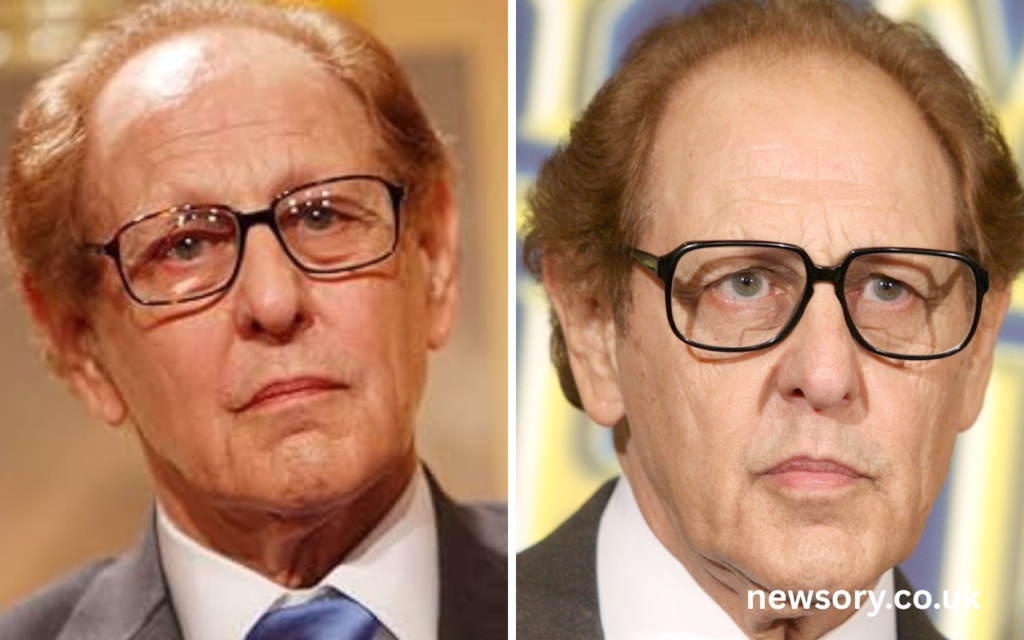

Early Life and Background of Philip Berk
Philip W. Berk is a South African–American film critic and former entertainment journalist born on February 13, 1933, in Cape Town, South Africa. He later moved to the United States, where he built a long career in journalism and film criticism, eventually becoming one of the most influential figures in Hollywood’s foreign press circuit.
He studied at UCLA School of Theater, Film and Television, graduating in 1955, which laid the foundation for his lifelong involvement in film media and entertainment writing. His early academic background helped him understand the technical and cultural aspects of cinema, which later influenced his work as a critic.
Before rising to prominence in Hollywood institutions, Berk worked as a journalist and contributed to various publications. His early career reflected a growing interest in international cinema and award-season journalism, which became his primary professional focus.
Career in Journalism and Rise in Film Criticism
Philip Berk began his career as a film journalist and critic, writing for international publications and contributing to entertainment reporting across different regions. His work eventually brought him into contact with major Hollywood studios and global film events.
Over time, he became a prominent member of the Los Angeles Film Critics Association and other media organizations. His influence expanded as he built strong connections within the entertainment industry, especially during the growth of global film awards coverage.
His reputation as a film critic and industry insider helped him gain access to exclusive Hollywood events, which later positioned him for a leadership role in one of the most powerful entertainment organizations in the world.
Leadership Role in the Hollywood Foreign Press Association
Philip Berk became a long-standing member of the Hollywood Foreign Press Association (HFPA), the organization responsible for the Golden Globe Awards. He served in multiple leadership positions, including president of the HFPA for several terms.
During his time in the organization, he played a key role in shaping the Golden Globes’ international reputation and expanding its visibility within the entertainment industry. His influence within the HFPA lasted for decades, making him one of its most recognized figures.
However, his leadership style and decision-making later became a subject of debate, especially as the HFPA faced increasing criticism regarding transparency and internal governance.
Influence on the Golden Globe Awards
As a senior HFPA member and president, Philip Berk was closely involved in the administration of the Golden Globe Awards. The awards ceremony grew significantly in global recognition during his tenure, becoming one of the most-watched entertainment award shows.
His involvement helped strengthen relationships between Hollywood studios and international journalists, which contributed to the expansion of the HFPA’s influence in the entertainment industry. The Golden Globes became a major indicator of award-season success during this period.
Despite this influence, later years revealed growing criticism of the HFPA’s internal culture, which eventually led to widespread reform discussions within Hollywood.
Brendan Fraser Allegations and Public Controversy
One of the most widely discussed controversies involving Philip Berk came from actor Brendan Fraser, who alleged that Berk inappropriately touched him during a 2003 HFPA event. Fraser publicly spoke about the incident years later, bringing renewed attention to the matter.
Berk denied the allegations of assault, though he admitted in earlier statements that he had engaged in inappropriate physical contact, describing it as a joke. The HFPA later conducted an internal review and concluded that Berk had inappropriately touched Fraser, though interpretations of intent differed.
The controversy significantly damaged Berk’s public image and became part of broader conversations about accountability and conduct within Hollywood institutions.
Expulsion from the HFPA and Racism Controversy
In 2021, Philip Berk was expelled from the Hollywood Foreign Press Association after he sent an internal email that described the Black Lives Matter movement as a “racist hate movement.”
The HFPA and external partners, including NBC, strongly condemned the message and called for immediate action. Following internal review, the organization removed him permanently from membership, marking the end of his decades-long association with the HFPA.
This expulsion was widely reported in entertainment media and marked a major shift in the HFPA’s efforts to reform its public image and internal policies.
Later Career and Decline of Public Influence
After his expulsion, Philip Berk’s influence in the entertainment industry significantly declined. He stepped away from active roles in film journalism and HFPA-related activities, effectively ending his public career in Hollywood institutions.
Despite his earlier prominence, his legacy became increasingly associated with controversy rather than achievement. Industry discussions around his career often focus on both his long-term leadership role and the scandals that overshadowed it.
His later years reflect the broader transformation of Hollywood organizations under pressure for transparency, diversity, and accountability.
READ MORE: Finnegan Biden Biography: Age, Family Background, Education, and Life as Joe Biden’s Granddaughter
Legacy and Impact on Hollywood Journalism
Philip Berk’s legacy in Hollywood remains highly complex. On one hand, he played a major role in building the global profile of the Golden Globes and shaping international entertainment journalism.
On the other hand, his career is also defined by serious controversies that contributed to major structural changes within the HFPA. His story is often referenced in discussions about ethics, power, and reform in entertainment institutions.
Today, he is remembered as a figure who had significant influence in Hollywood history but whose career ultimately reflects both achievement and controversy in equal measure.