
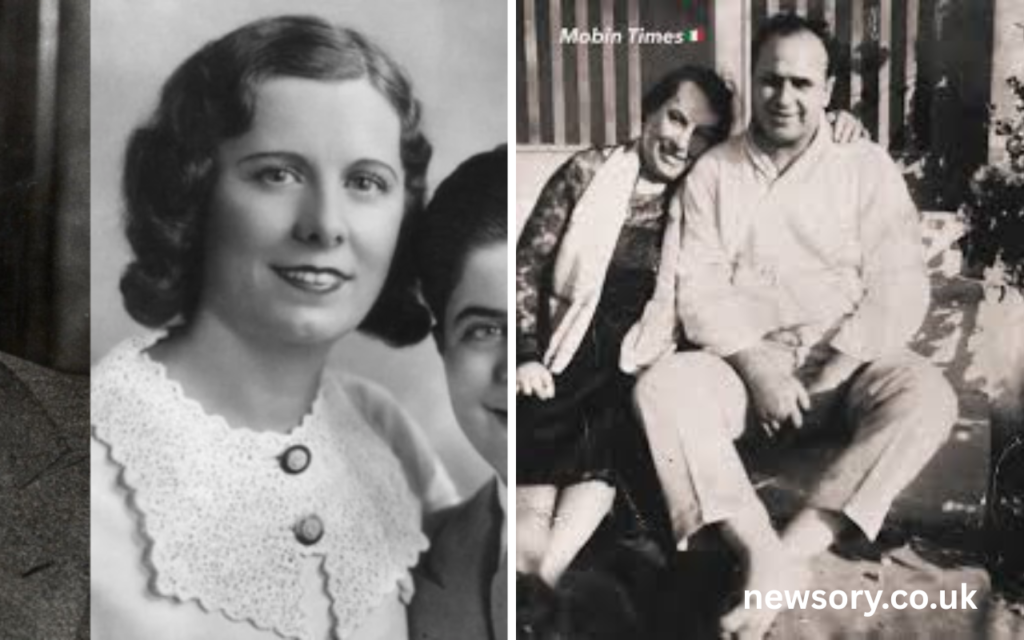

Early Life of Mae Capone in New York City
Mae Capone, born Mary Josephine Coughlin in 1897 in Brooklyn, New York, grew up in a traditional Irish-American immigrant family. Her parents worked hard to provide stability, and she was raised in a strict Catholic environment that shaped her values and personality. Her upbringing was modest but respectable, reflecting the struggles of working-class immigrant families in early 20th-century America.
From a young age, Mae was described as intelligent, disciplined, and hardworking. She attended school in Brooklyn and showed academic promise, but financial difficulties forced her to leave education early. Like many young women of her time, she began working to support her family, which marked the beginning of her independent adult life.
Her early life in New York played an important role in shaping her resilience and strength. These qualities later helped her endure the turbulent and controversial life she would enter after meeting Al Capone.
How Mae Coughlin Met Al Capone
Mae’s life changed when she met Alphonse “Al” Capone in Brooklyn during the late 1910s. At the time, Capone was a young man involved in street life and early criminal associations, though not yet the infamous gangster he would become. Their meeting is often described as a typical neighborhood romance of the era.
Despite their different personalities and backgrounds, a strong connection developed between them. Mae represented stability and traditional values, while Capone lived a more reckless and ambitious life. Their relationship grew quickly, influenced by youthful attraction and the social environment of New York’s working-class neighborhoods.
Their bond eventually led to marriage, even though Capone was already showing signs of involvement in illegal activities. Mae accepted him despite warnings and uncertainty, a decision that would shape the rest of her life dramatically.
Marriage to Al Capone and Early Married Life
Mae married Al Capone in 1918 at a young age, marking the beginning of a life that would soon become tied to one of America’s most notorious criminals. Their wedding reflected a mix of hope and uncertainty, as Capone was still building his criminal reputation.
Shortly after their marriage, they had one son, Albert Francis “Sonny” Capone. Family life initially appeared stable, and Mae focused on raising her child while managing household responsibilities. Despite Capone’s growing involvement in organized crime, she maintained a strong domestic presence.
As Capone’s influence expanded in Chicago during the Prohibition era, their family life became increasingly complicated. Mae remained largely away from public attention, but she was deeply affected by the dangerous world surrounding her husband.
Life as the Wife of a Notorious Gangster
Living as the wife of Al Capone meant constant pressure, secrecy, and emotional strain. Mae was not directly involved in criminal activities, but she lived in the shadow of her husband’s empire. Their lifestyle became increasingly luxurious, with homes, cars, and wealth funded by Capone’s illegal operations.
Despite the wealth, Mae faced emotional challenges, including long periods of separation and concern for her husband’s safety. Capone’s reputation as a powerful gangster meant their family lived under constant scrutiny and risk.
Over time, Mae became known for her loyalty and quiet strength. She maintained her role as a devoted wife and mother, even while dealing with the public stigma attached to the Capone name.
Family Life and Relationship with Their Son Sonny Capone
Mae and Al Capone’s son, Albert “Sonny” Capone, was central to her life. He was born shortly before or around the time of their marriage, and Mae devoted much of her time to raising him with strong moral and religious values.
Sonny experienced health challenges, including hearing issues, which added emotional stress to the family. Mae often acted as the stabilizing force in his upbringing, ensuring he received care and education despite their unusual circumstances.
The Capone household in Chicago and later Florida was luxurious but also emotionally complicated. Mae tried to maintain normalcy for her son despite the violent and unstable world surrounding their family.
Challenges During Al Capone’s Criminal Career
As Al Capone rose to power in Chicago during the Prohibition era, Mae’s life became increasingly difficult. Capone was involved in organized crime activities, which brought wealth but also danger and legal pressure.
Mae remained largely outside his business operations, but she was indirectly affected by his lifestyle. Public attention, media scrutiny, and law enforcement investigations created emotional strain for the entire family.
When Capone was eventually arrested and imprisoned for tax evasion, Mae became responsible for managing parts of his personal affairs. This period marked one of the most challenging phases of her life, as she balanced family stability with public pressure.
Legal Struggles and Public Attention
Mae Capone also faced legal and financial difficulties linked to her husband’s criminal empire. Authorities targeted the Capone family’s assets, including their property and finances, due to Al Capone’s criminal charges.
She was involved in handling tax-related disputes and legal claims while Capone was incarcerated. Despite these challenges, she maintained a composed public image and avoided direct involvement in scandals.
Over the years, Mae also faced indirect media attention, especially as Capone became a symbol of organized crime in America. However, she remained largely private, choosing to stay away from publicity whenever possible.
Later Life After Al Capone’s Death
After Al Capone’s death in 1947, Mae Capone withdrew further from public life. She spent her later years in relative privacy, focusing on her family and personal peace. The intense public interest in her husband gradually faded, allowing her to live a quieter life.
She continued to live in Florida, where she had relocated with her family earlier. During this time, she avoided interviews and media attention, maintaining dignity and privacy.
Mae Capone passed away in 1986 at the age of 89, leaving behind a complex legacy tied to one of America’s most infamous figures. Her life reflected both hardship and loyalty, shaped by circumstances beyond her control.
READ MORE: Birgit Kroencke: Biography, Career, Marriage to Christopher Lee, and Life Story
Legacy of Mae Capone in History and Popular Culture
Mae Capone is often remembered as more than just the wife of Al Capone. She represents the human side of a historical figure associated with crime, power, and violence. Her life story highlights the emotional and social impact of being connected to organized crime.
In popular culture, she has appeared in films, television series, and biographies that explore the Capone family. These portrayals often focus on her loyalty, strength, and struggles as a wife and mother.
Today, Mae Capone’s legacy is viewed through a more balanced historical lens. She is recognized as a private woman who lived through extraordinary circumstances, managing family life in the shadow of one of the most powerful gangsters in American history.