
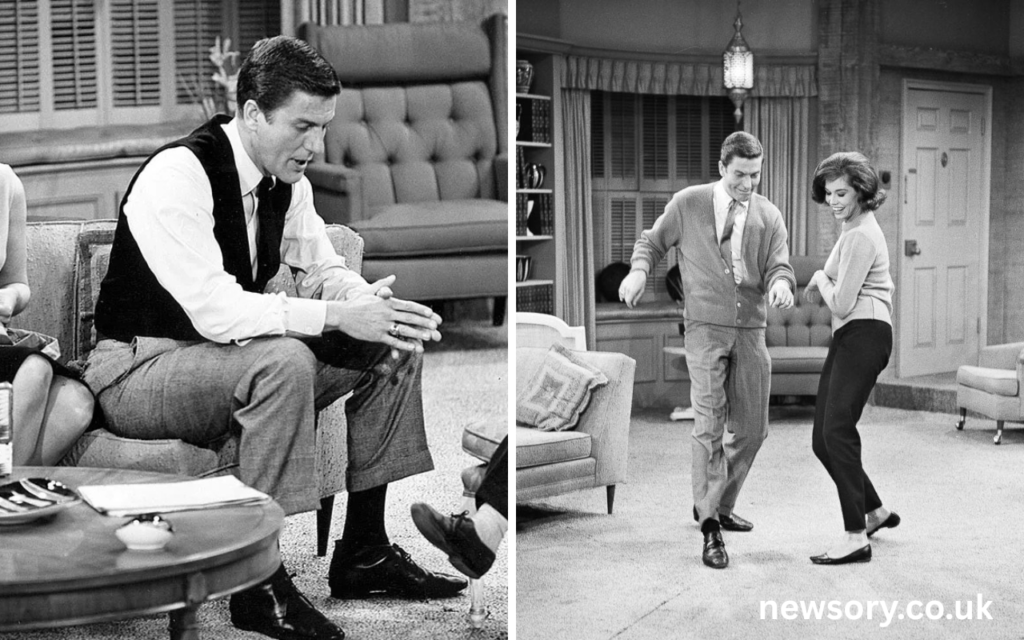

Introduction to The Dick Van Dyke Show
The Dick Van Dyke Show is widely regarded as one of the most important classic sitcoms in American television history. It originally aired in the early 1960s and quickly became a defining example of how comedy could be both intelligent and deeply relatable. The series centers on the life of Rob Petrie, a comedy writer working behind the scenes of a fictional television variety program while navigating the challenges of his home life.
What made this sitcom stand out was its ability to blend workplace humor with family storytelling in a natural and believable way. At a time when television comedy often relied on exaggerated jokes, this show introduced a more realistic tone. It reflected everyday struggles, relationships, and professional pressures in a way audiences had not seen before.
Over time, The Dick Van Dyke Show became more than just entertainment. It turned into a cultural reference point for quality television writing. Even decades later, it continues to influence modern TV comedy and remains a strong example of how storytelling and humor can work together seamlessly.
Creation and Behind the Scenes Origins
The creation of The Dick Van Dyke Show is closely tied to the vision of Carl Reiner, a talented writer and comedian who drew inspiration from his own experiences in the television industry. He wanted to create a sitcom that reflected the real life of a comedy writer, including both the challenges and the humor found in the creative process.
The concept evolved gradually, eventually becoming a fully developed series centered around a fictional television writing team. CBS recognized the potential of the idea and approved the show during a time when sitcoms were gaining massive popularity. This decision helped shape the future of television comedy in a significant way.
Behind the scenes, the production focused heavily on strong writing and character development. Every episode was carefully constructed to balance humor with realism. This attention to detail helped the show establish its reputation as one of the most thoughtfully written sitcoms of its era.
Cast and Character Dynamics
The success of The Dick Van Dyke Show was heavily influenced by its remarkable cast. Dick Van Dyke played the role of Rob Petrie, bringing both charm and physical comedy to the character. His performance made Rob feel like a real person dealing with real-life situations, which helped audiences connect deeply with the story.
Mary Tyler Moore played Laura Petrie, Rob’s wife, and became one of the most iconic television characters of the 1960s. Her portrayal broke traditional expectations of sitcom housewives by presenting Laura as intelligent, stylish, and emotionally strong. Her chemistry with Dick Van Dyke added emotional depth to the series.
The supporting cast also played a major role in shaping the show’s identity. Characters in the workplace setting created a dynamic environment filled with humor, tension, and creativity. The interactions between the cast members helped build a believable world that felt both professional and personal at the same time.
Storyline and Narrative Structure
The storyline of The Dick Van Dyke Show revolves around Rob Petrie’s dual life as a television comedy writer and a family man. At work, he faces constant creative pressure while collaborating with a group of writers and dealing with the demands of a demanding show business environment.
At home, Rob’s life is centered around his relationship with Laura and their son. These domestic scenes provide a contrast to the fast-paced and often chaotic workplace setting. This balance between two worlds allows the show to explore different aspects of human behavior in a relatable way.
The narrative structure often uses everyday situations as the foundation for comedy. Misunderstandings, work challenges, and family interactions are developed in a way that feels natural rather than forced. This storytelling approach is one of the key reasons the show remains timeless.
Writing Style and Comedy Approach
The writing style of The Dick Van Dyke Show is considered one of its strongest qualities. The scripts were carefully crafted to combine sharp dialogue with situational humor. Instead of relying on exaggerated jokes, the show focused on character-driven comedy that felt authentic.
Writers on the show often drew inspiration from real-life experiences in the television industry. This gave the humor a sense of realism that audiences could easily relate to. The conversations between characters felt natural and reflected how people actually speak in everyday life.
Physical comedy was also an important part of the show’s style, especially through Dick Van Dyke’s performance. His ability to blend physical humor with emotional storytelling helped create memorable scenes that remain iconic in television history.
Cultural Impact in the 1960s
During the 1960s, The Dick Van Dyke Show had a significant cultural impact on American television. It introduced a more modern and realistic portrayal of both family life and workplace dynamics. This was a major shift from the more simplistic sitcom formats of earlier years.
The show also influenced how audiences viewed television writers and behind-the-scenes production work. For many viewers, it offered a rare glimpse into the creative process of making a TV comedy. This behind-the-scenes perspective added depth to the entertainment experience.
Its popularity helped establish new standards for sitcom storytelling. Many elements introduced by the show became common features in later television comedies, making it a foundational influence in the evolution of the genre.
Awards and Critical Reception
The Dick Van Dyke Show received widespread critical acclaim during its original run. It was praised for its intelligent writing, strong performances, and innovative storytelling techniques. Critics often highlighted its ability to balance humor with emotional depth.
The series earned multiple prestigious awards, including recognition for both acting and overall production quality. These achievements helped solidify its reputation as one of the finest sitcoms of its time and reinforced its importance in television history.
Even after it ended, the show continued to receive praise from critics and television historians. It is frequently included in discussions about the greatest TV shows ever made, showing its lasting influence on the entertainment industry.
Influence on Modern Sitcoms
The influence of The Dick Van Dyke Show can still be seen in many modern sitcoms. Its combination of workplace and family storytelling became a model for future television comedies. Many successful shows adopted similar narrative structures.
Character development was another major influence. Modern sitcoms often feature more complex and realistic characters, a concept that was popularized by this classic series. The emotional depth seen in today’s comedies can be traced back to its storytelling approach.
Writers and creators across generations continue to reference the show as a major inspiration. Its impact on comedic timing, dialogue structure, and ensemble casting remains relevant in the television industry today.
READ MORE: http://Charlie Kirk Children: Family Life, Wife Erika Kirk, and Private Parenting Journey
Legacy and Why It Still Matters Today
The legacy of The Dick Van Dyke Show remains strong even many decades after its original broadcast. It continues to be celebrated as a landmark in television history and a perfect example of classic sitcom excellence. Its storytelling still feels fresh and engaging to new audiences.
The show’s ability to remain relevant is a testament to its strong writing and timeless themes. Issues such as work-life balance, relationships, and creative pressure are still relatable today, making the series continue to connect with viewers across generations.
Ultimately, The Dick Van Dyke Show matters because it helped shape modern television comedy. It set a standard for quality storytelling that continues to influence writers, producers, and audiences around the world.