
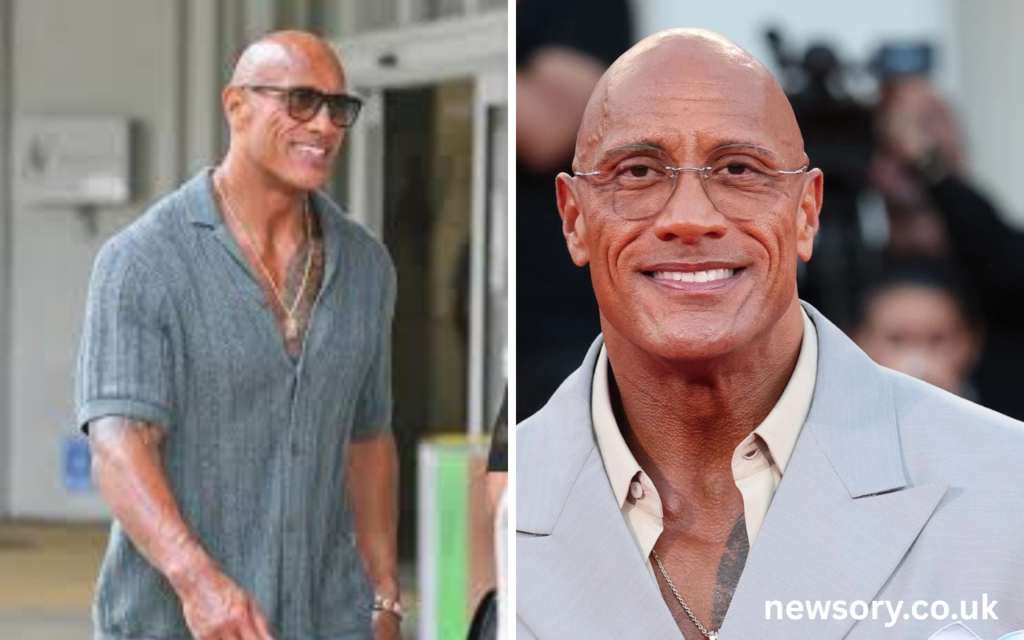

Introduction to The Rock Weight Loss Transformation
The Rock weight loss transformation has become one of the most discussed fitness topics in recent years, especially after fans noticed Dwayne Johnson appearing noticeably leaner for certain movie roles. Known for his extremely muscular physique built over decades, even a small change in his body size immediately draws global attention. This transformation surprised many because it marked a clear shift from his traditional bodybuilding look.
Dwayne Johnson has always maintained one of the most disciplined fitness routines in Hollywood. His usual physique is the result of intense weight training, high-calorie nutrition, and strict lifestyle habits. However, during his recent transformation, the focus changed from maximum muscle mass to a more athletic and defined appearance. This created curiosity about how such a dramatic change was achieved.
The Rock weight loss journey is not about losing fitness or strength. Instead, it reflects a strategic adjustment in body composition based on professional requirements. His transformation highlights how even elite athletes and actors continuously adapt their bodies depending on career goals and physical demands.
Why Dwayne Johnson Decided to Change Physique
The primary reason behind The Rock’s weight loss was related to film roles and character authenticity. In Hollywood, actors often modify their physical appearance to match real-life characters more accurately. For certain roles, a bulky bodybuilding physique is not realistic, especially when portraying fighters or real-world individuals.
Dwayne Johnson reportedly reduced his body size for roles that required a more grounded and athletic look. This shift allowed him to better represent characters without the exaggerated muscle mass he is famous for. Such transformations are common in the film industry, but his change gained more attention due to his iconic physique.
Beyond acting requirements, such transformations also help actors explore different aspects of physical performance. A leaner body can improve agility, endurance, and movement efficiency, which is essential for action-heavy roles. This makes weight loss a functional decision rather than just an aesthetic one.
The Rock Diet Changes and Nutrition Strategy
The Rock’s diet has always been known for its intensity, often involving multiple high-protein meals per day. During his weight loss phase, however, the focus shifted toward reducing overall calorie intake while maintaining muscle mass. This approach is commonly used in fitness known as a controlled calorie deficit strategy.
Instead of consuming extremely large meals designed for bulking, his nutrition plan became more balanced and portion-controlled. Protein remained a key component, supporting muscle preservation during fat loss. Carbohydrate intake was adjusted to match energy needs, especially around training sessions, while fats were carefully managed.
Hydration, food quality, and timing also played a major role in his diet strategy. Clean eating habits helped reduce unnecessary body fat while maintaining performance levels. This combination of disciplined nutrition and strategic calorie control is one of the key reasons behind his successful transformation.
Workout Routine Adjustments for Weight Loss
The Rock’s workout routine changed significantly during his weight loss journey. Instead of focusing solely on heavy weightlifting to build size, he incorporated more balanced training methods. These included moderate resistance exercises aimed at maintaining muscle definition rather than increasing bulk.
Training sessions became more performance-oriented, focusing on endurance and functional strength. This type of workout helps the body stay strong while burning more calories during exercise. It also improves overall athletic movement, which is important for action roles in movies.
Despite reducing bulk-focused training, consistency remained a core part of his routine. His disciplined approach ensured that muscle loss was minimized while fat reduction was maximized. This balance is crucial in achieving a lean yet powerful physique.
Role of Cardio and Conditioning in His Transformation
Cardio training played a much bigger role in The Rock weight loss phase compared to his traditional bodybuilding routine. Activities like running, circuit training, and high-intensity sessions helped increase calorie burn and improve cardiovascular health. This was essential for achieving a leaner appearance.
Conditioning workouts also helped enhance stamina and endurance. These training methods are particularly important for actors who perform physically demanding scenes. Improved conditioning ensures better performance without excessive fatigue during long shooting schedules.
By integrating cardio into his routine, The Rock was able to reduce body fat while maintaining his signature strength. This combination of strength training and cardiovascular exercise is one of the most effective approaches for body recomposition.
Lifestyle Discipline and Daily Routine
One of the most important factors behind The Rock’s transformation is his unmatched discipline. His daily routine is structured around early morning workouts, strict meal timing, and consistent work habits. This lifestyle has been a foundation of his success for years.
Even during weight loss phases, he maintains strict control over sleep patterns, hydration, and recovery. Proper rest allows the body to repair and adapt, which is essential when undergoing physical changes. Without this discipline, such transformations would not be possible at a professional level.
His lifestyle also reflects long-term commitment rather than short-term motivation. This consistency is what separates professional-level transformations from casual fitness attempts. It shows that results come from routine, not occasional effort.
Hollywood Demands and Film Preparation
Hollywood plays a major role in shaping celebrity physiques, and The Rock is no exception. Many of his transformations are driven by specific film characters that require different body types. This makes his weight loss part of a professional requirement rather than personal preference.
For certain roles, a leaner body helps create realism and authenticity. Directors and producers often request physical changes to match storylines, especially in biographical or action-based films. This makes body transformation a key part of acting preparation.
The Rock’s ability to shift between bulk and lean phases demonstrates his adaptability as an actor. It also highlights how professional actors treat their bodies as dynamic tools for storytelling rather than fixed appearances.
Challenges and Risks of Extreme Transformation
Although The Rock’s transformation appears impressive, such changes come with challenges. Rapid shifts in body composition can put stress on the body if not managed carefully. This is why professional supervision is essential in Hollywood fitness programs.
One of the main challenges is maintaining muscle mass while losing fat. Without proper nutrition and training balance, the body can lose strength along with fat, which is not desirable for someone known for physical power. Careful planning helps avoid this issue.
Another challenge is maintaining energy levels during calorie reduction. Lower food intake can sometimes affect performance and recovery. This is why structured diet planning is crucial to ensure the body continues functioning at a high level during transformation.
READ MORE: Caleb Murray Biography – Life, Background, and Public Interest Story
Fitness Lessons from The Rock Transformation
The Rock weight loss journey offers several important fitness lessons that apply beyond Hollywood. One of the biggest takeaways is that fitness goals can change over time depending on personal or professional needs. The body is adaptable when supported with proper strategy.
Another key lesson is the importance of consistency. Whether gaining muscle or losing fat, disciplined routines are essential for success. Without consistency, even the best workout or diet plan cannot deliver long-term results.
Finally, his transformation shows that fitness is not about maintaining one fixed look. It is about control, adaptability, and understanding how nutrition and training influence the body. This mindset is what makes his journey inspiring to many fitness enthusiasts worldwide.