
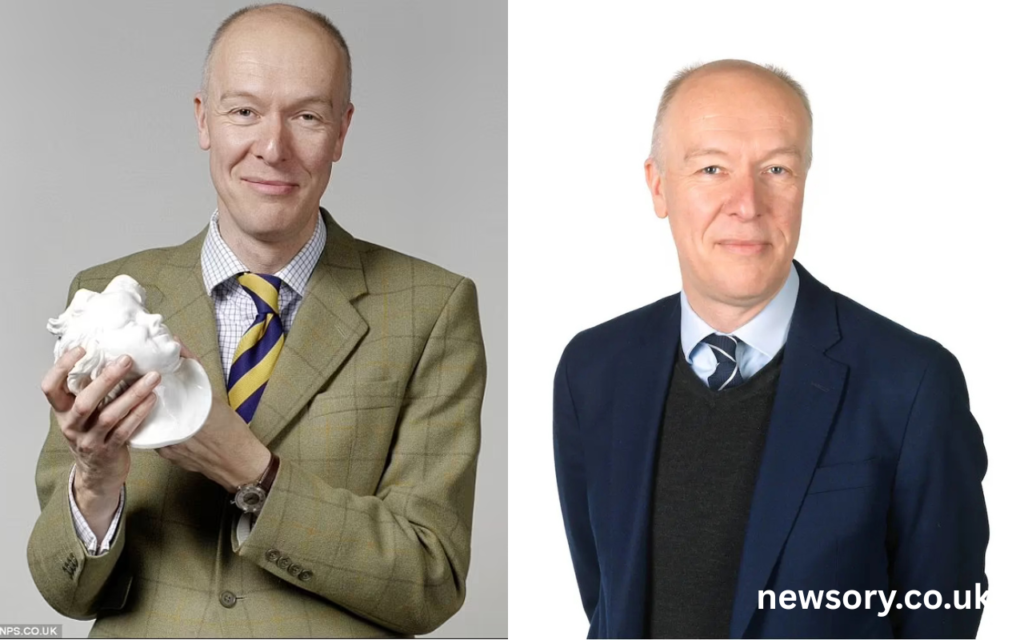

Fergus Gambon is best known as the son of legendary British actor Sir Michael Gambon, who famously played Professor Dumbledore in the Harry Potter film series. Unlike his father, Fergus did not choose a career in acting or entertainment. Instead, he built a respected professional life in the world of antiques, ceramics, and fine art auctions, where he has earned recognition in his own right.
Although his surname brings immediate association with fame, Fergus Gambon is widely respected for maintaining a private, professional, and academically driven life, away from the spotlight of Hollywood.
Quick Bio Table
| Category | Details |
|---|---|
| Full Name | Fergus Gambon |
| Date of Birth | 1964 |
| Age | 61–62 years (2026) |
| Birthplace | United Kingdom |
| Nationality | British |
| Father | Sir Michael Gambon |
| Mother | Anne Miller |
| Profession | Ceramics & Antiques Expert |
| Workplace | Bonhams Auction House |
| Known For | BBC Antiques Roadshow expert |
| Marital Status | Not publicly confirmed |
| Public Life | Private, low-profile |
Early Life and Family Background
Fergus Gambon was born in 1964 in the United Kingdom to Sir Michael Gambon and Anne Miller. He grew up in a household strongly connected to the arts and performance world, as his father was already building a career in theatre and television.
Despite his father’s growing fame, Fergus’s upbringing remained relatively private. His parents maintained a family life that was not heavily exposed to media attention, allowing him to grow up away from celebrity pressure.
From a young age, Fergus was surrounded by:
- Artistic influence from theatre and film
- Exposure to culture and storytelling
- A disciplined and private family environment
However, instead of following his father into acting, he developed an interest in history, collectibles, and fine art objects.
Education and Early Career Path
Fergus Gambon did not pursue acting or entertainment studies. Instead, he focused on academic and professional development in areas related to antiques and historical objects.
He gradually built his knowledge in:
- Ceramics and pottery
- British glassware
- Art history and collectibles
- Auction house operations
This foundation helped him enter one of the most prestigious sectors in the UK art market.
Career in Antiques and Ceramics
Fergus Gambon is best known for his long-standing career in the British antiques industry. He became associated with Bonhams Auction House, one of the world’s leading auction houses specializing in fine art, antiques, and collectibles.
At Bonhams, Fergus built a reputation as:
- A specialist in British ceramics
- An expert in glassware and pottery
- A trusted auction house professional
His knowledge of historical objects made him a respected voice in the antiques world.
He also gained public recognition through appearances on the BBC’s Antiques Roadshow, where experts evaluate historical items brought in by the public. His calm expertise and detailed understanding of ceramics made him a reliable and respected figure on the program.
Public Recognition and Media Presence
Although Fergus Gambon is not a celebrity in the traditional sense, he has gained recognition in niche professional circles and among viewers of antiques programming.
His public presence is characterized by:
- Occasional television appearances
- Professional auction house work
- Academic-style expertise in ceramics
- Minimal engagement with media interviews
Unlike many individuals connected to famous families, Fergus has deliberately kept a low-profile public identity, focusing on professional rather than celebrity life.
Relationship With Sir Michael Gambon
Fergus was the only son of Sir Michael Gambon and remained close to his father throughout his life.
In Sir Michael Gambon’s later years, Fergus was present during important family moments. According to reports, he was with his father during his final days, reflecting a close family bond.
Sir Michael Gambon himself was known to be protective of his private life, and Fergus inherited that same preference for privacy.
Their relationship reflected:
- Strong family connection
- Mutual respect for privacy
- Support during personal and professional life stages
Even though Sir Michael was a global star, Fergus chose a completely different professional path.
Personal Life and Privacy
Very little is publicly known about Fergus Gambon’s personal life. He has successfully maintained privacy regarding:
- Marriage or relationships
- Children or family life
- Personal residences
Some reports suggest he lives in Kent, England, but details remain limited due to his private lifestyle.
This level of privacy is rare for children of globally famous actors, making him a unique example of someone who avoided public fame despite strong media interest.
Legacy and Public Interest
Fergus Gambon’s legacy is closely tied to two major aspects:
First, his connection to Sir Michael Gambon, one of Britain’s most respected actors.
Second, his independent professional success in the antiques and ceramics industry.
His life represents:
- A shift from celebrity legacy to professional identity
- Dedication to historical art and craftsmanship
- A quiet but respected contribution to British cultural heritage
He is often mentioned in articles about Sir Michael Gambon but is equally respected for his own achievements.
READ MORE: Cecily Capaldi: Biography, Family Background, Life Story and Private Lifestyle Explained
Conclusion
Fergus Gambon is a highly respected British antiques and ceramics expert who built a successful career outside of his father’s acting legacy. As the son of Sir Michael Gambon, he is naturally linked to fame, but he has chosen a life focused on professionalism, knowledge, and privacy. His work in auction houses and television antiques programs highlights his expertise and dedication to preserving cultural history.
Unlike many celebrity children, Fergus Gambon has remained grounded, private, and professionally independent, making him a unique figure in both cultural and academic circles.
This article is published on newsory