

Harlem Renaissance was a major cultural, artistic, and intellectual movement that transformed African-American identity and creativity in the United States. One of its most powerful contributions was the rise of jazz music, which became the heartbeat of nightlife, dance halls, and cultural expression during this era.
Searches like “jazz artists harlem renaissance” often come from curiosity about the musicians who shaped this golden age of creativity. Jazz was not just music during this period—it was a cultural revolution that gave voice to freedom, identity, and artistic innovation.
This article explores the most important jazz artists of the Harlem Renaissance, their contributions, and how they changed the history of music forever.
Quick Bio
| Artist | Role | Contribution |
|---|---|---|
| Louis Armstrong | Trumpeter/Singer | Jazz innovation and improvisation |
| Duke Ellington | Composer/Band Leader | Orchestral jazz development |
| Bessie Smith | Blues Singer | Blues influence on jazz |
| Fletcher Henderson | Arranger/Band Leader | Big band jazz structure |
| Billie Holiday | Jazz Singer | Emotional vocal style |
What Was the Harlem Renaissance?
The Harlem Renaissance was a cultural movement centered in Harlem, New York City, during the 1920s and 1930s. It was a time when African-American artists, writers, and musicians gained recognition for their creativity.
Jazz became one of its most defining art forms, symbolizing:
- Freedom of expression
- Cultural pride
- Urban creativity
- Artistic innovation
Jazz clubs, theaters, and dance halls in Harlem became cultural hotspots.
How Jazz Became the Voice of the Harlem Renaissance
Jazz music was already growing in popularity, but the Harlem Renaissance gave it a powerful platform.
It became important because:
- It expressed real-life emotions
- It blended African rhythms with American styles
- It allowed improvisation and creativity
- It connected communities through performance
Jazz became the sound of a new cultural identity.
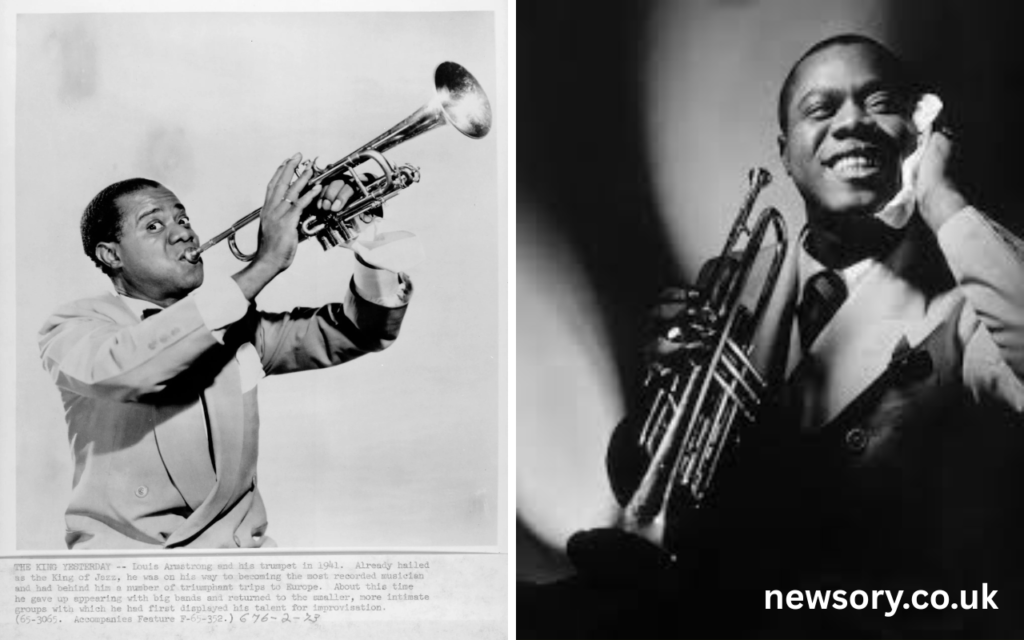
Louis Armstrong: The King of Jazz Innovation
Louis Armstrong was one of the most influential figures in jazz history.
He transformed jazz by introducing:
- Improvisational trumpet solos
- Unique vocal style
- Scat singing
- Emotional musical expression
Armstrong’s performances helped jazz move from group-based music to solo artistry, changing the genre forever.
Duke Ellington: The Master Composer
Duke Ellington was a key figure in shaping orchestral jazz.
His contributions include:
- Large jazz orchestras
- Complex musical arrangements
- Sophisticated compositions
- Long-term performance legacy
Ellington made jazz more structured and artistic, bringing it into concert halls and formal spaces.
Bessie Smith: The Voice of Blues Influence
Bessie Smith was known as the “Queen of the Blues” and played a major role in influencing jazz vocal styles.
Her music added:
- Deep emotional storytelling
- Strong vocal power
- Blues rhythms in jazz
- Cultural authenticity
Her influence helped bridge blues and jazz together.
Fletcher Henderson: The Architect of Big Band Jazz
Fletcher Henderson was instrumental in developing the big band jazz format.
He contributed:
- Structured jazz arrangements
- Orchestra-style jazz bands
- Influence on swing music
- Collaboration with major jazz musicians
Henderson’s work laid the foundation for swing-era jazz.
Billie Holiday: Emotional Jazz Expression
Billie Holiday brought emotional depth to jazz singing.
She is known for:
- Expressive vocal delivery
- Deep emotional storytelling
- Unique phrasing style
- Powerful stage presence
Her music reflected personal and social struggles, making her one of the most influential jazz vocalists.
Jazz Clubs in Harlem
During the Harlem Renaissance, jazz clubs became cultural centers.
Famous clubs included:
- The Cotton Club
- Small’s Paradise
- Apollo Theater
These venues provided platforms for African-American musicians to perform and gain recognition.
Social Impact of Jazz During the Harlem Renaissance
Jazz was more than entertainment—it was social change.
It helped:
- Break racial barriers in music
- Promote African-American identity
- Create economic opportunities for artists
- Influence global music culture
Jazz became a symbol of freedom and expression.
Fashion and Culture in Jazz Era
Jazz artists of the Harlem Renaissance also influenced fashion and lifestyle.
Common trends included:
- Elegant stage clothing
- Formal suits and dresses
- Glamorous performance styles
- Nightlife culture in Harlem
Music and fashion together shaped the identity of the era.
Legacy of Harlem Renaissance Jazz Artists
The impact of these artists continues today in:
- Modern jazz music
- Hip-hop sampling culture
- Film and theater
- Music education
Their creativity shaped the foundation of American music history.
Why These Artists Are Still Important
People continue to study Harlem Renaissance jazz artists because:
- They shaped modern music
- They broke cultural barriers
- Their music remains timeless
- They represent artistic freedom
Their influence is still felt across global music industries.
READ MORE: Colonel Sanders Ethnicity: Background, Identity, and KFC Founder Story Explained
Conclusion
The jazz artists of the Harlem Renaissance transformed music, culture, and identity in America. Figures like Louis Armstrong, Duke Ellington, Billie Holiday, and others helped shape a movement that continues to inspire musicians worldwide. Their contributions made jazz a global art form and a symbol of cultural expression.
This article is published for informational purposes on newsory.


