

Early Life and Family Background
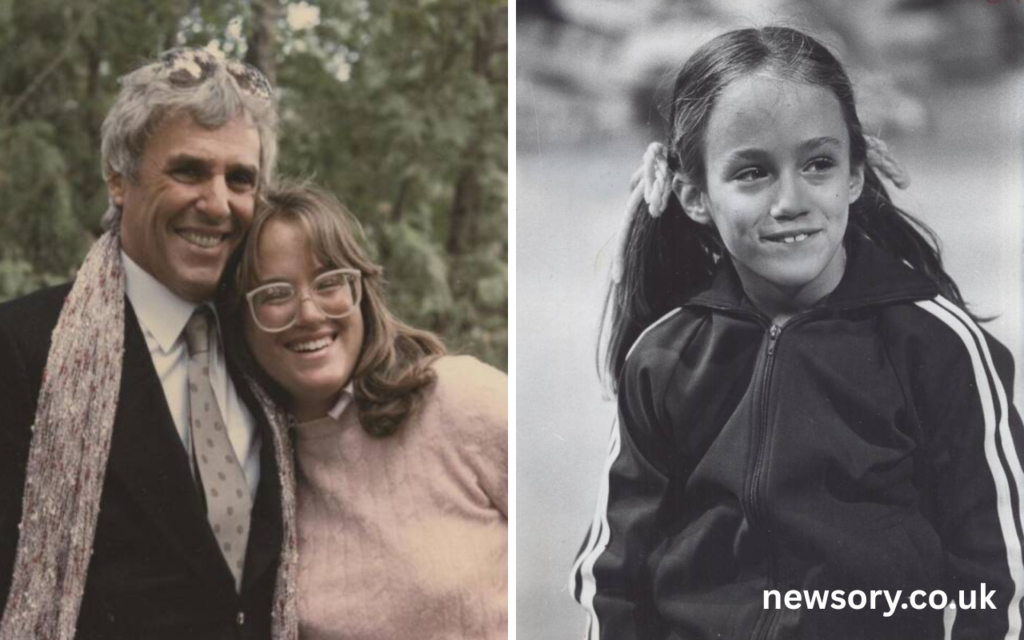
Nikki Bacharach, born Lea Nikki Bacharach in 1966, came into the world as the only daughter of legendary composer Burt Bacharach and acclaimed Hollywood actress Angie Dickinson. From the moment of her birth, she was connected to two powerful creative legacies in American entertainment history. Her arrival attracted attention not only because of her famous parents but also because of the emotional significance she held within their lives.
Her birth was reportedly premature, which led to immediate medical care during her earliest days. This early health condition would later become an important part of her life story. Despite the challenges surrounding her birth, she was deeply cherished by her family, who were hopeful about her future and development.
Growing up in such a prominent family meant Nikki Bacharach’s life was always indirectly linked to fame and public curiosity. However, her early years were mostly kept private, as her parents tried to provide a stable environment away from excessive media exposure. This balance between celebrity influence and privacy shaped the foundation of her childhood experience.
Childhood Health Challenges
From a very young age, Nikki Bacharach experienced developmental and neurological challenges that affected her daily life. Reports suggest that complications from her premature birth may have contributed to sensory and cognitive difficulties. These challenges made communication, learning, and social interaction more complex as she grew older.
Over time, her condition was associated in media reports with traits linked to Asperger syndrome, a condition on the autism spectrum. While every individual experiences autism differently, Nikki’s struggles reportedly included emotional sensitivity and difficulty adapting to social environments. These factors added layers of complexity to her upbringing.
Her health journey required ongoing care and attention, which placed emotional pressure on her family. Despite access to resources and medical support, her condition remained a long-term challenge. This part of her life has often been referenced in discussions about autism awareness and developmental health in high-profile families.
Growing Up in a Hollywood Household
Living as the daughter of Burt Bacharach and Angie Dickinson meant Nikki was surrounded by fame, creativity, and public recognition. Her father was one of the most successful composers of the 20th century, while her mother was a respected actress in film and television. This environment exposed her to the entertainment world from an early age.
Despite the glamour surrounding her family, Nikki’s upbringing was not defined by Hollywood luxury alone. Her parents were reportedly cautious about shielding her from excessive public attention. They attempted to maintain a sense of normalcy in her daily routine, even while balancing demanding careers in the entertainment industry.
The contrast between public fame and private struggles created a unique environment for Nikki Bacharach. While many saw her as part of a celebrity family, her personal life remained centered on her health needs and emotional well-being. This dual reality shaped much of her early development.
Relationship with Burt Bacharach
The relationship between Nikki Bacharach and her father, Burt Bacharach, was deeply emotional and meaningful. As his only child with Angie Dickinson, Nikki held a special place in his life. Despite the challenges they faced, their bond remained significant throughout her life.
Burt Bacharach often expressed his feelings for his daughter through music. One of the most well-known examples is his instrumental composition titled “Nikki,” which was written shortly after her birth. This piece is widely seen as a musical expression of love and connection between father and daughter.
As Nikki grew older, her health challenges made their relationship more complex, but emotional care and concern remained central. Burt Bacharach’s reflections later in life revealed how deeply her struggles affected him personally. Their bond is often remembered as both tender and emotionally layered.
Bond with Angie Dickinson
Angie Dickinson, Nikki’s mother, played an important role in her life, especially during her formative years. As a successful actress, she balanced her professional career with the responsibilities of caring for a child with special needs. This required emotional strength and constant attention.
Their relationship was shaped by both love and responsibility. Angie Dickinson has been described in various accounts as a devoted mother who worked to support Nikki through her developmental challenges. She focused on providing care, stability, and emotional support whenever possible.
Despite the difficulties they faced, the bond between mother and daughter remained strong. Angie Dickinson’s experiences as Nikki’s mother also influenced her perspective on family and life beyond Hollywood. Their relationship remains an important part of Nikki Bacharach’s personal story.
Developmental and Emotional Struggles
As Nikki Bacharach grew into adolescence and adulthood, her developmental and emotional challenges became more pronounced. Reports indicate that she faced ongoing difficulties related to mental health, communication, and social adaptation. These struggles often made independent living more complex.
Her condition reportedly included emotional sensitivity that affected her ability to cope with everyday pressures. Individuals on the autism spectrum can experience the world differently, and in Nikki’s case, this may have contributed to periods of isolation and emotional distress. These challenges were long-term and deeply impactful.
Despite support from her family, managing her condition remained difficult. Her story has often been discussed in the context of mental health awareness and the importance of early intervention. It highlights how complex developmental conditions can shape a person’s entire life experience.
Adult Life and Personal Challenges
In adulthood, Nikki Bacharach continued to face significant personal and emotional challenges. While she lived away from the public spotlight, her life remained affected by her ongoing health conditions. These difficulties reportedly influenced her ability to maintain stability and independence.
Her adult years were marked by periods of emotional struggle, as described in media accounts and family statements. Even with support systems in place, she faced obstacles that made daily life increasingly difficult. This period of her life is often described with a sense of sadness and complexity.
Her experiences reflect the broader challenges faced by individuals dealing with long-term developmental and mental health conditions. Nikki Bacharach’s adult life is often viewed through the lens of compassion, highlighting the importance of continuous care and emotional understanding.
Final Years and Passing
Nikki Bacharach passed away in 2007 at the age of 40. Her death was reported as a suicide, following long-term struggles with mental health and neurological conditions. The news was confirmed by her family, who expressed deep grief and emotional pain.
Her passing brought attention to the silent struggles she had faced for many years. It also highlighted the importance of mental health awareness, especially for individuals dealing with autism spectrum conditions and emotional disorders. The tragedy deeply affected her parents and close family members.
The loss of Nikki Bacharach became a defining moment in the Bacharach family history. It marked the end of a long and difficult journey filled with both love and hardship. Her story continues to be remembered with sensitivity and reflection.
READ MORE: Abby McGrew Biography, Life Story, Family, and Relationship with Eli Manning
Legacy, Awareness, and Public Memory
Nikki Bacharach’s legacy is not defined by public achievements but by the emotional and human story of her life. As the daughter of two well-known figures, her life has often been referenced in biographies of Burt Bacharach and Angie Dickinson. However, her personal story carries its own emotional weight.
Her experiences have contributed to broader discussions about mental health awareness, autism spectrum conditions, and the importance of emotional support systems. Many view her life as a reminder of the challenges that can exist behind fame and public recognition.
Today, Nikki Bacharach is remembered with compassion and respect. Her story continues to influence conversations about mental health, family responsibility, and understanding neurodevelopmental differences. Through her memory, awareness of these issues continues to grow in a meaningful way.